


A Gentle Agreement
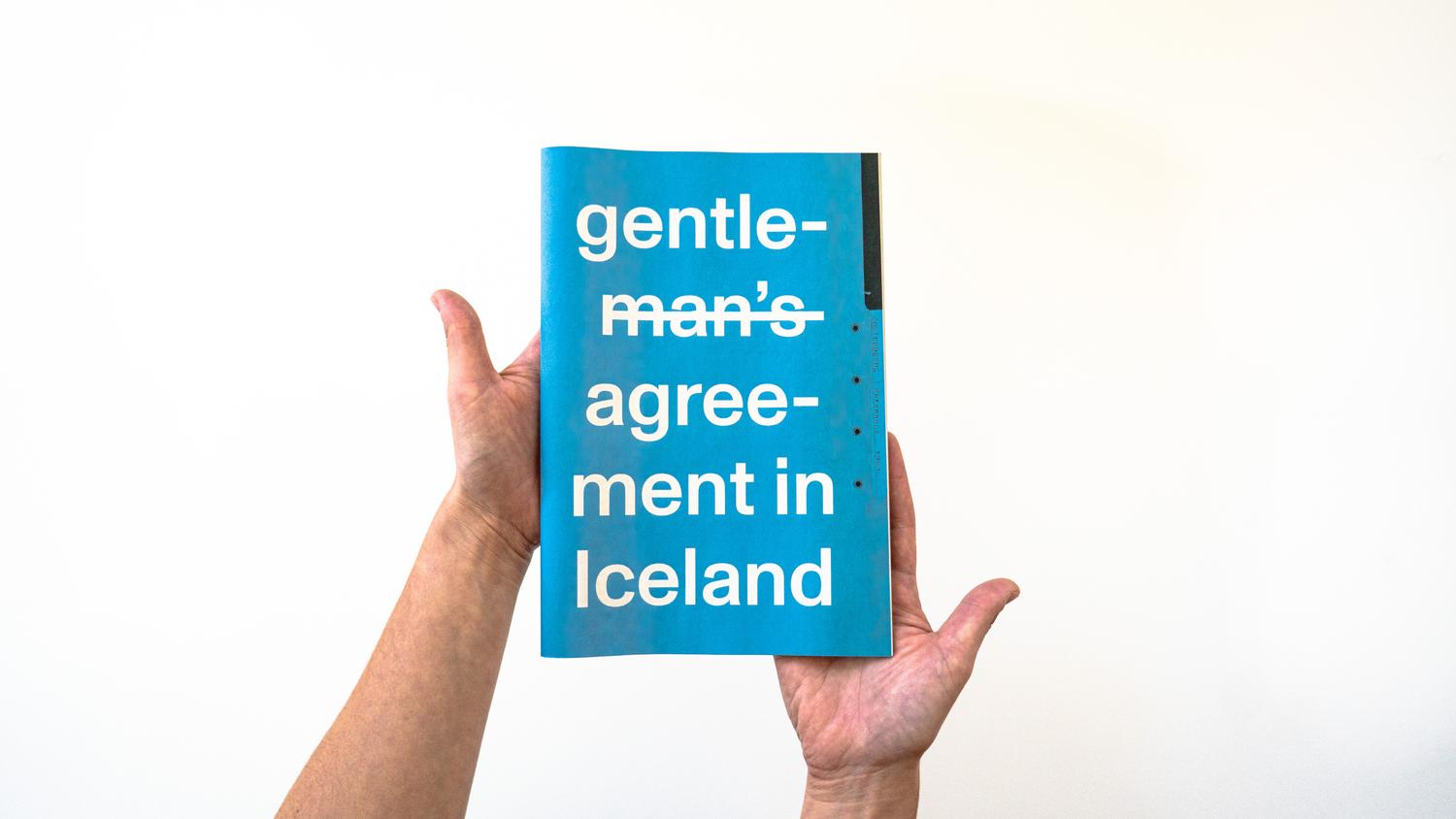
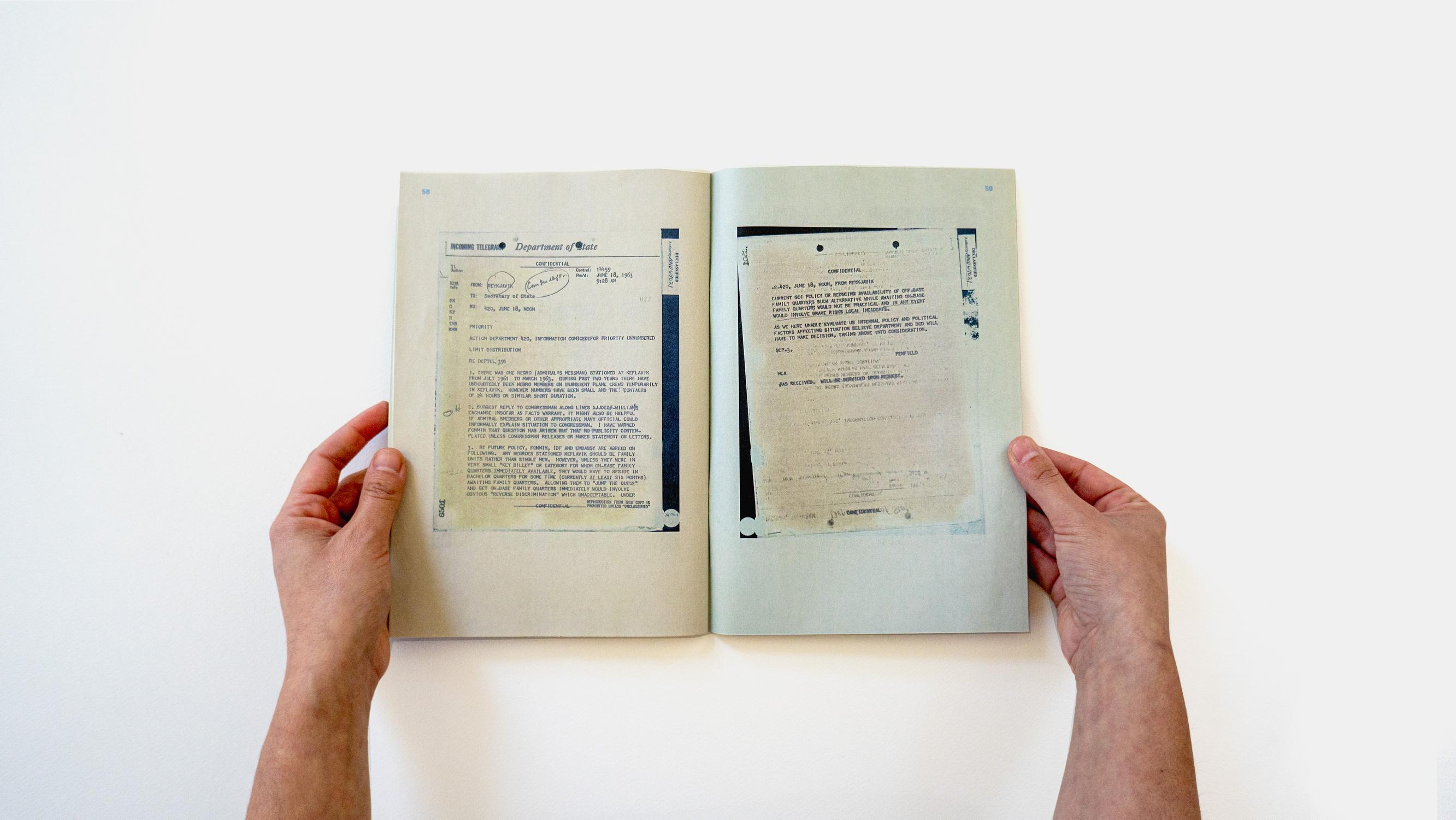
Social Practice. 2024-25. In the 1960s, the Icelandic government quietly barred Black U.S. soldiers from serving at the Navy air station in Keflavík. This policy, enforced not by law but through a “gentleman’s agreement”—an unwritten understanding maintained through silence—left little trace in the record. A Gentle Agreement revisits this history and imagines new forms of relation.
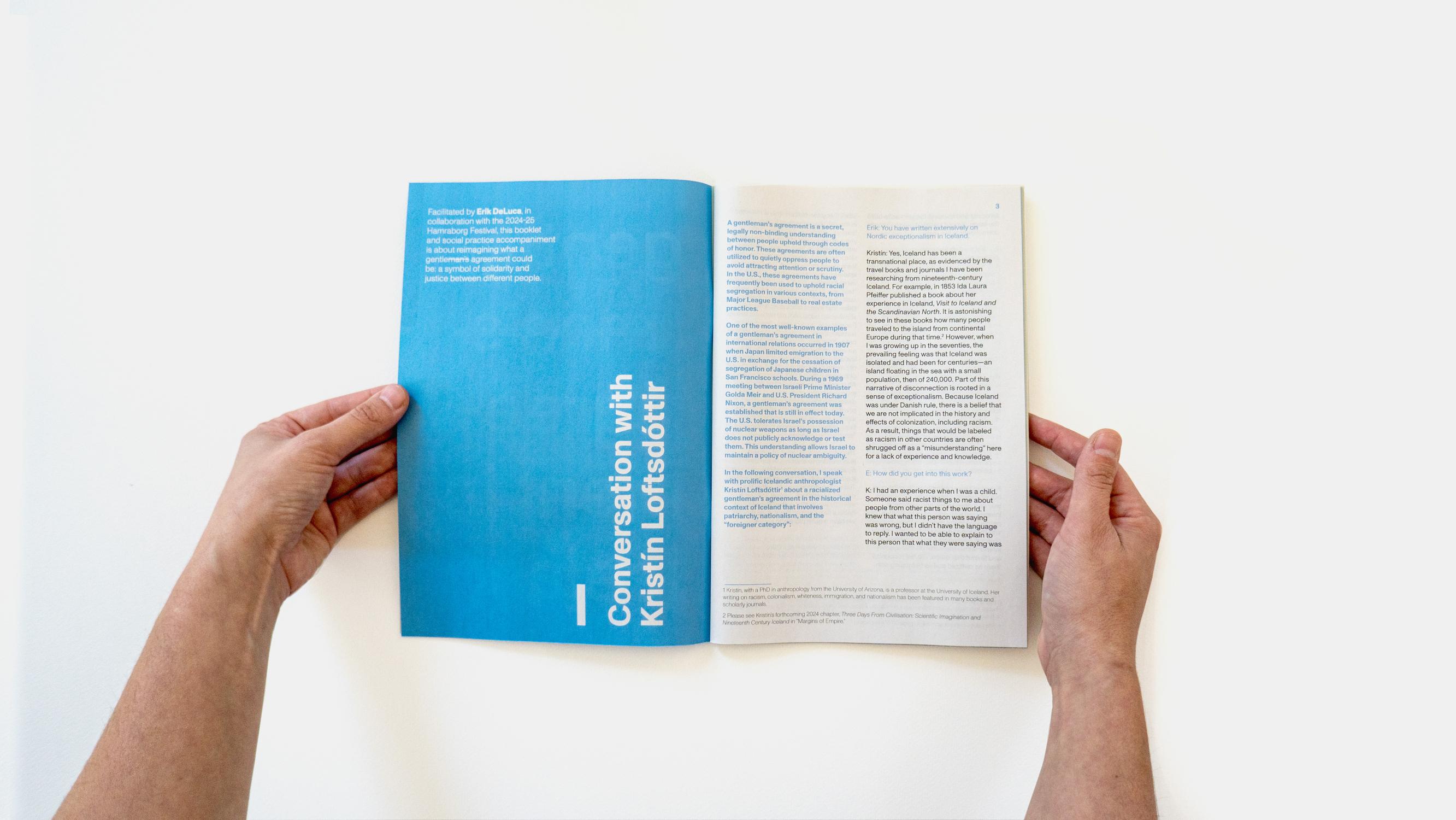
The first part of the project is a booklet drawn from documents I scanned at the U.S. National Archives, including a 1963 memo from President John F. Kennedy demanding an explanation for Iceland’s racial exclusion at the base. Alongside these materials is a conversation with anthropologist Kristín Loftsdóttir on patriarchy, nationalism, and whiteness in Icelandic society.
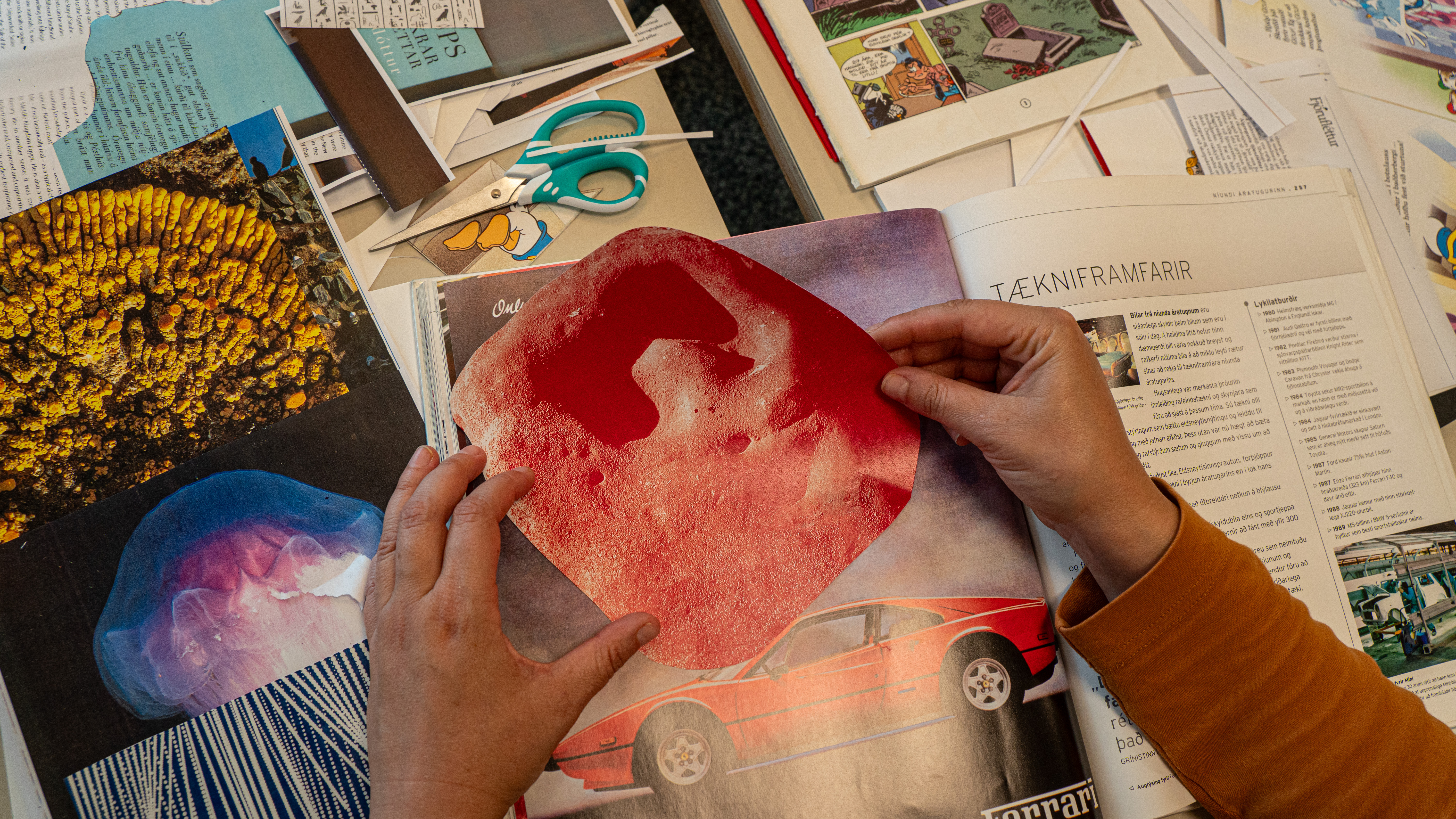
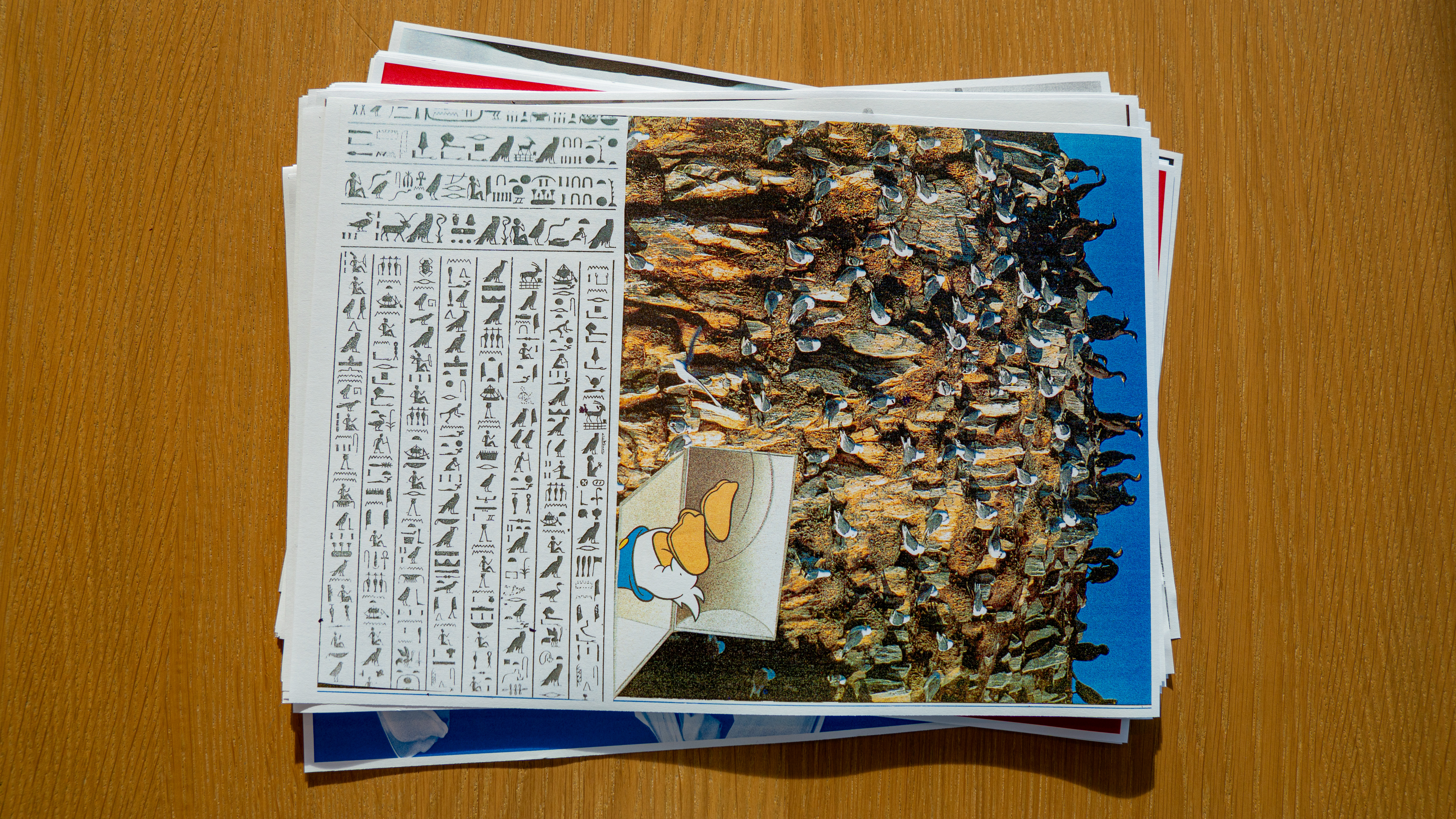
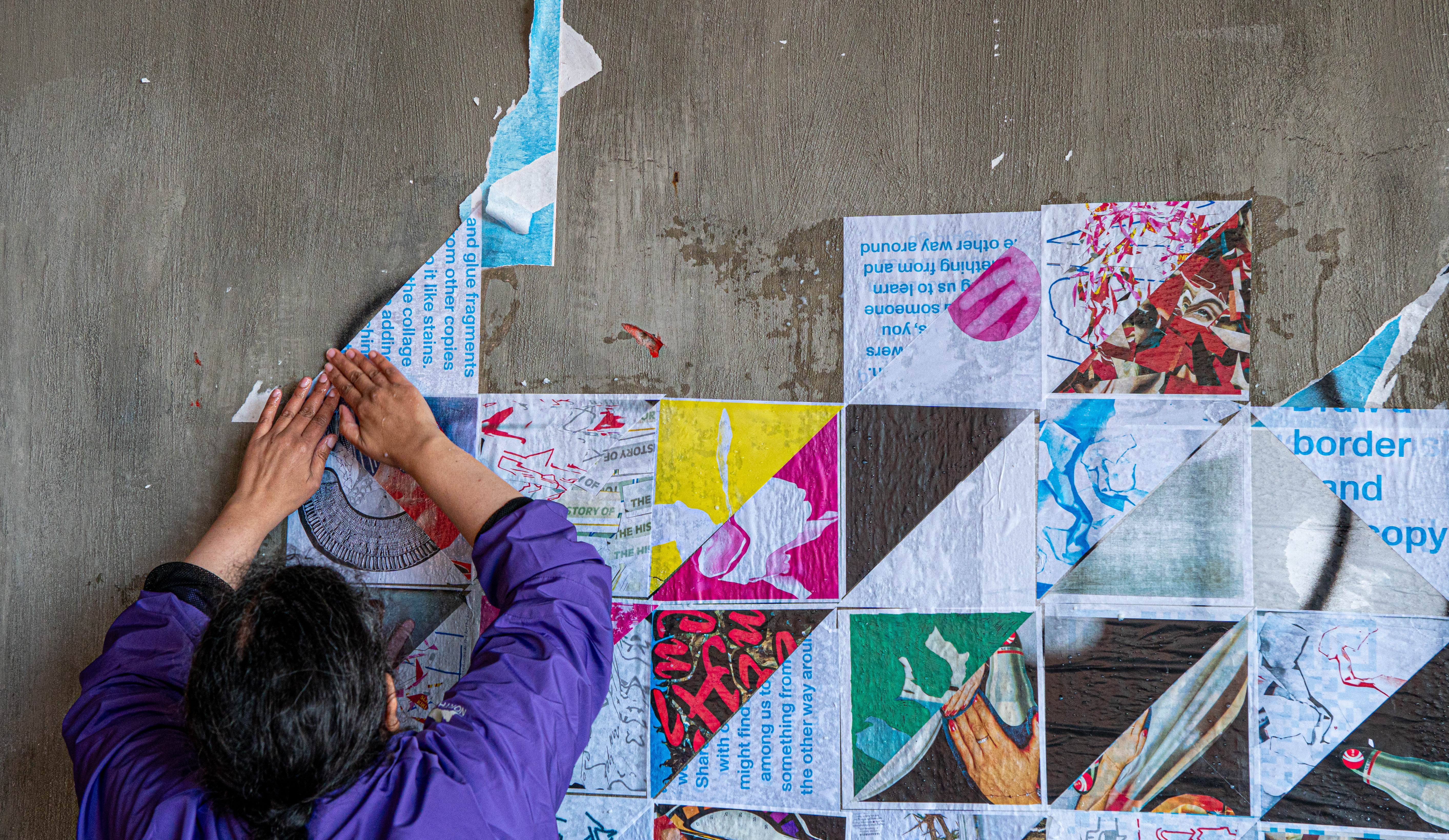
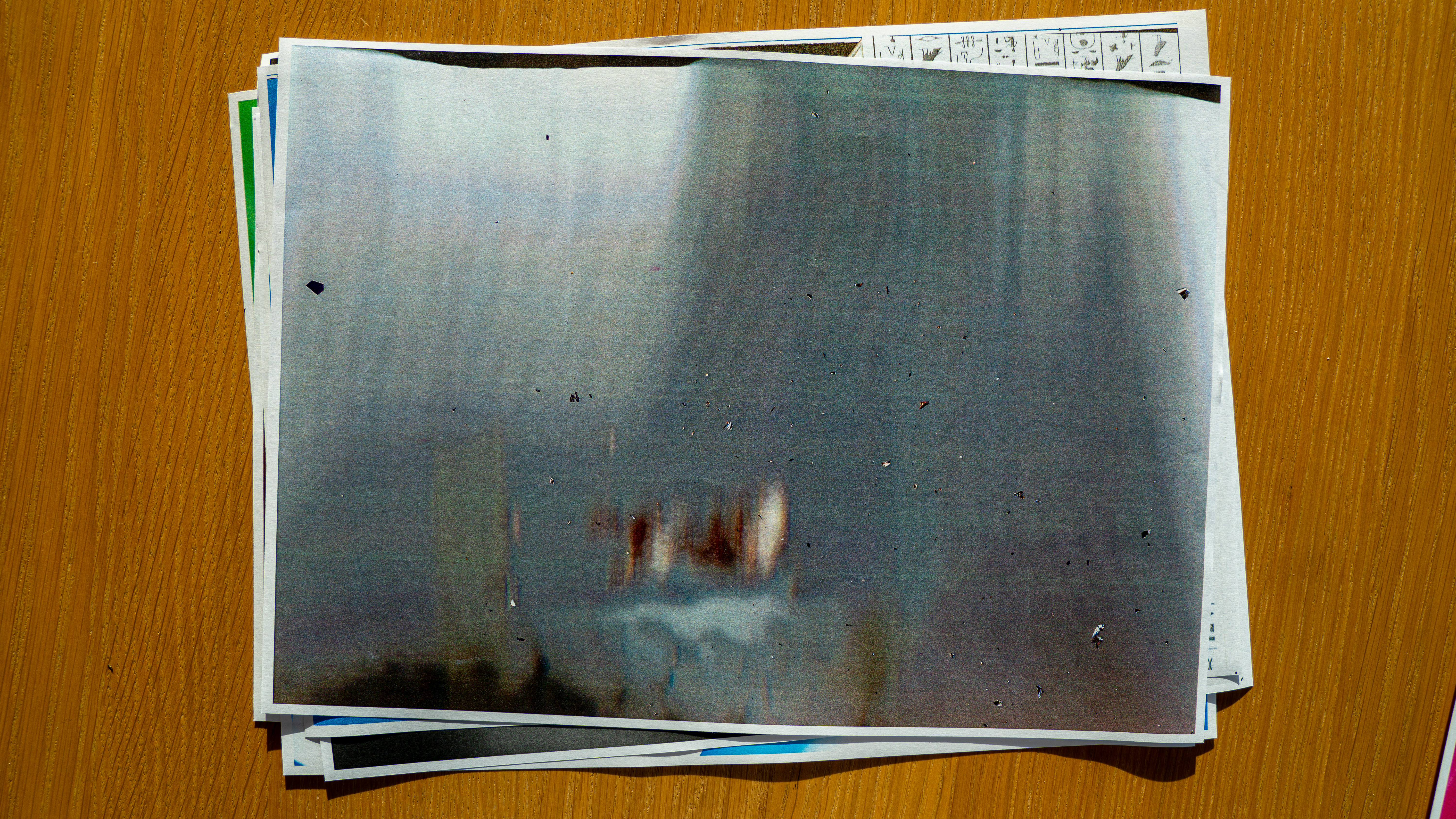
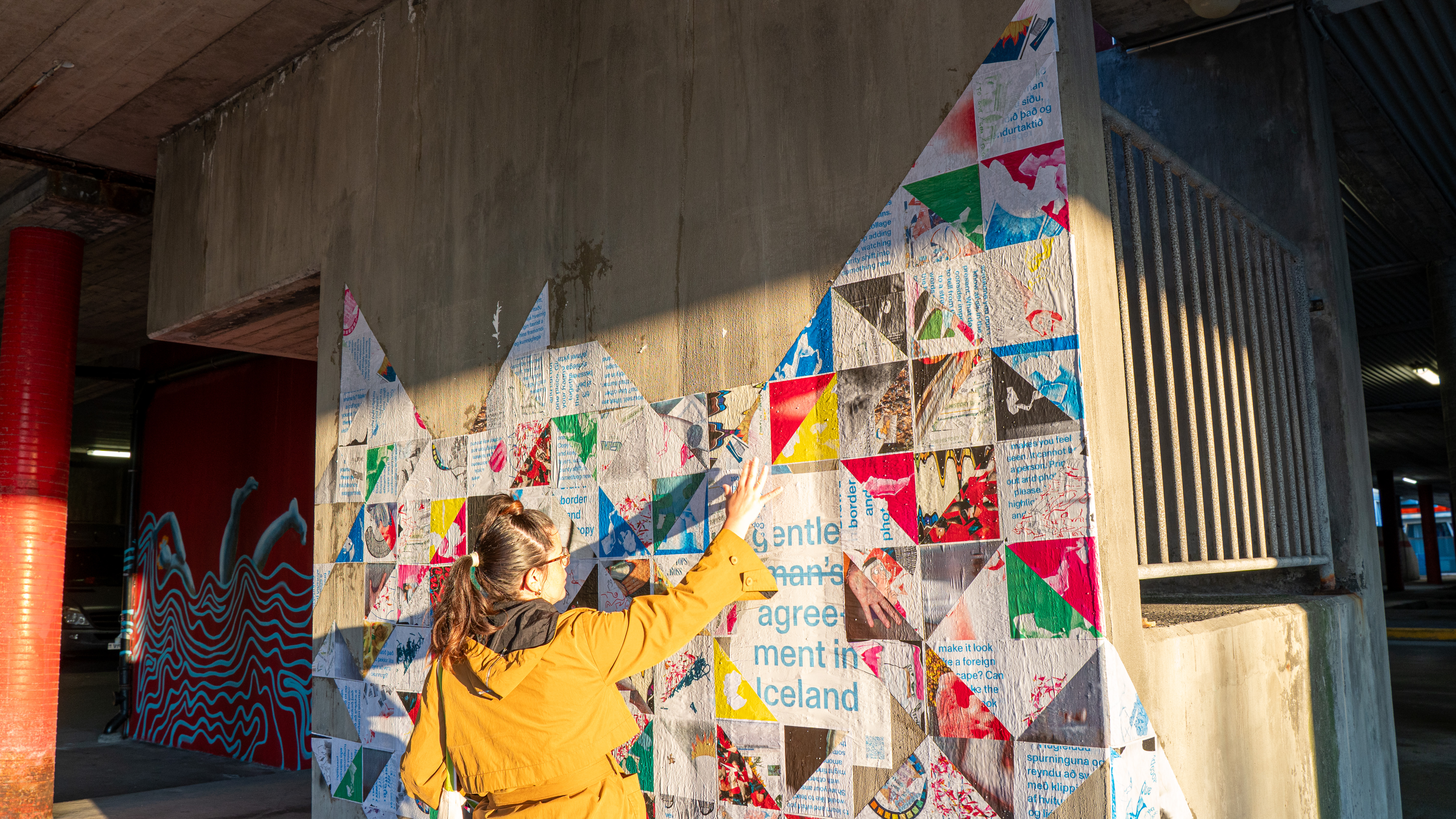
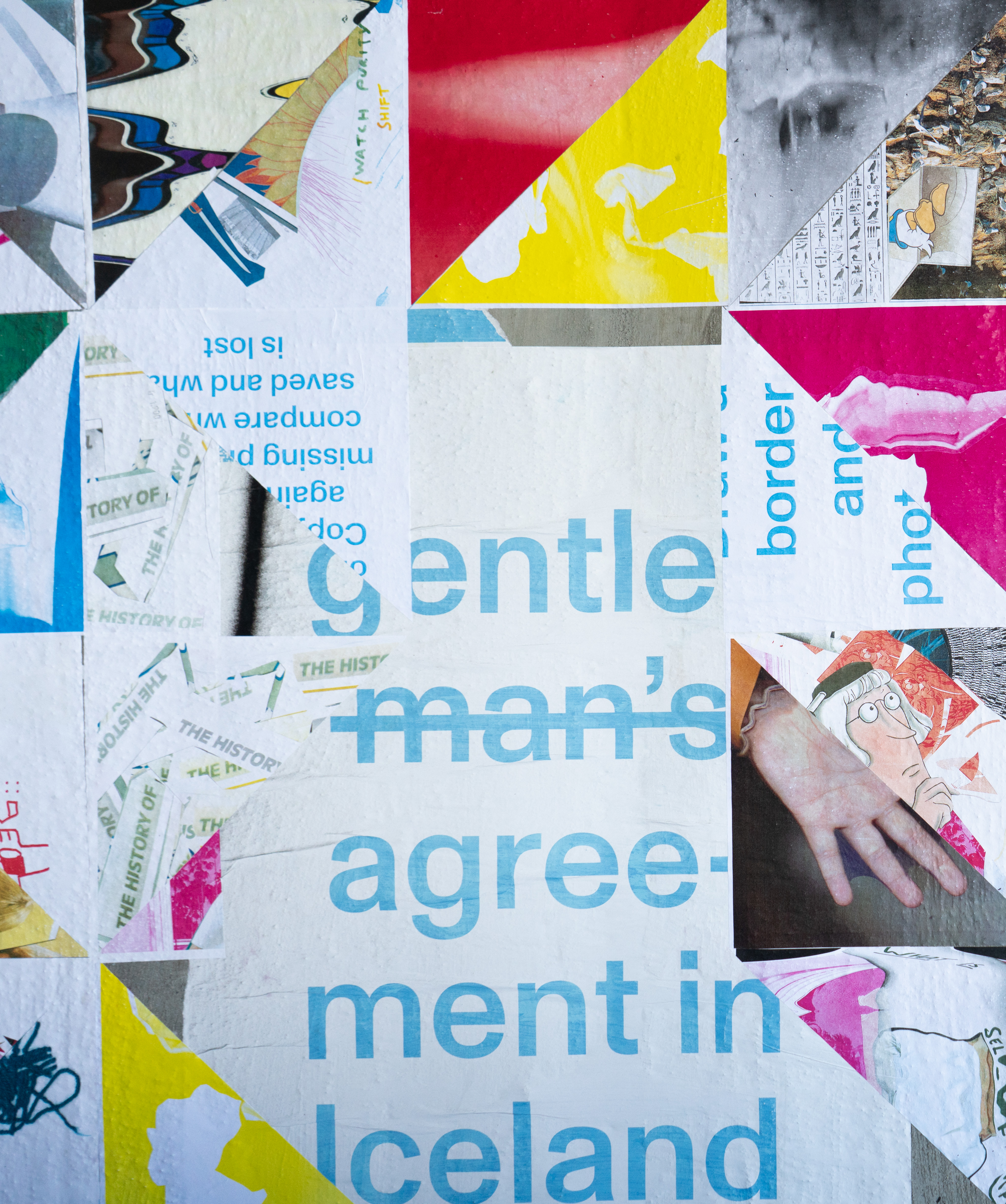
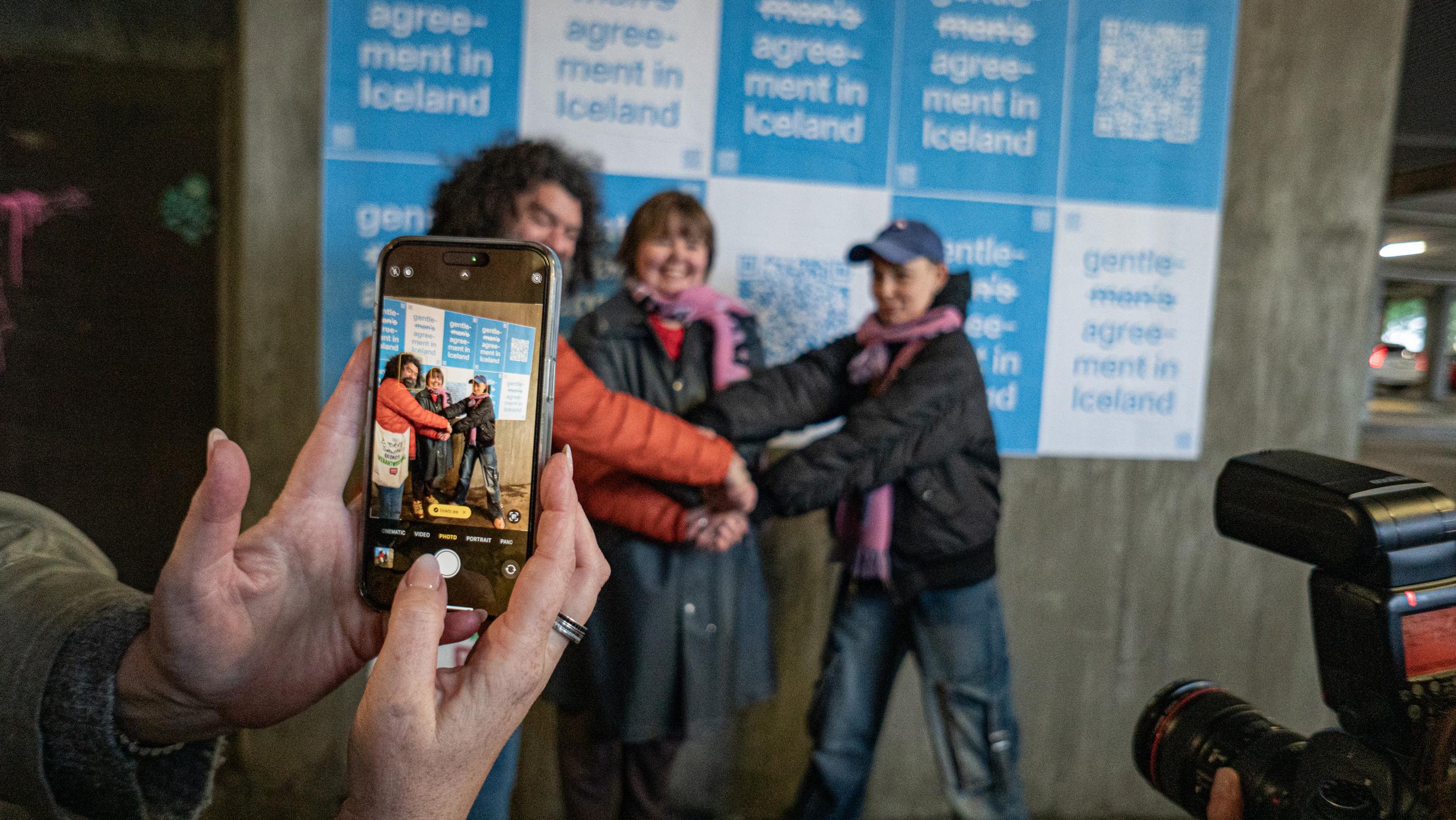
The second part reinterprets the “gentleman’s agreement” as a gentle agreement—a public commitment grounded in mutual accountability. In collaboration with the Hamraborg Festival (2024–2025), this took shape through a handshake ceremony that opened months of dialogue between me and the festival about how such commitments could take form in practice. These conversations led to We Carry the Sun, a three-day workshop at the Kópavogur Library and Molinn Youth Center. With Bryndís Björnsdóttir, Mariana Murcia, and Deepa R. Iyengar, we explored belonging and difference through printmaking, collage, and copy-machine experiments. The resulting works formed a collective wheatpaste mural in the Hamraborg parking garage.
While the collaboration grew from shared values and community trust, it also revealed the challenges of working within small institutions stretched by limited capacity and uneven structures of support. In the historical case, the U.S.–Iceland “gentleman’s agreement” was eventually dismantled; in our case, the gentle agreement tested mutual accountability. This experience has become part of the project’s inquiry: What happens when one side of an agreement falters? How does power shift?